PROJECT
Industry: PetrochemicalsProject overview
Objective
To improve the operational stability of critical process equipment under the following conditions:
- internal disturbances within the plant network: short circuits, motor starting and reacceleration, unintended breaker tripping, failure of protection systems, under both normal and maintenance conditions
- external disturbances in the grid: short circuits, equipment failures, maintenance conditions, operation of emergency control systems, and stability issues at neighboring power plants, substations, and other facilities within the regional interconnected power system up to 500 kV
Project Features
- presence of both induction and synchronous motors with different starting methods: direct-on-line (DOL), soft starters, and variable frequency drives (VFDs)
- long cable-overhead lines causing voltage deviations beyond permissible limits under disturbances
- insufficient tap changer range of supply transformers to maintain acceptable voltage levels at remote loads
- high-power motors connected through long lines requiring reliable starting and reacceleration under all disturbance scenarios
These factors significantly increase the complexity of identifying effective solutions within the client’s budget and require high-accuracy modeling and analysis.
Risks
In the event of disturbances, the following risks were identified:
- tripping or malfunction of synchronous and induction motors
- maloperation or failure of protection and emergency control systems
These risks may lead to:
- partial or complete shutdown of production equipment
- product quality degradation or rejection
Approach
To comprehensively assess all factors affecting system stability, the following studies were performed:
- collection and verification of input data, including site inspections by engineering specialists
- development of a digital power system model
- load flow analysis
- short-circuit analysis
- harmonic and resonance analysis
- single motor starting studies
- group motor reacceleration studies
- transient stability analysis under internal and external disturbances
To identify the most severe operating conditions, the external grid was also analyzed:
- obtaining the regional system model from the System Operator in certified simulation software
- identification of worst-case operating scenarios of the regional grid
- detailed transfer of critical parameters into a high-fidelity simulation model for advanced analysis
Analysis
The calculated parameters were verified against:
- power system stability requirements
- active/reactive power balance requirements
- power quality standards
- international and industry standards for harmonics and electromagnetic compatibility
Compliance was checked against:
- Russian Ministry of Energy Order No. 630 (2018) – Power system stability guidelines
- Russian Ministry of Energy Order No. 380 (2015) – Reactive power consumption requirements
- GOST 32144-2013 – Power quality standards
- IEEE Std 519-2022 – Recommended Practice and Requirements for Harmonic Control in Electric Power Systems
- GOST IEC/TR 61000-3-6-2020 – Electromagnetic compatibility (EMC) emission limits
Worst-case operating conditions were identified through:
- interaction with the client
- analysis of historical and potential disturbance scenarios
- evaluation of protection and emergency control system performance
- simulation of extreme operating conditions up to theoretical limits
To improve model accuracy, additional studies were performed:
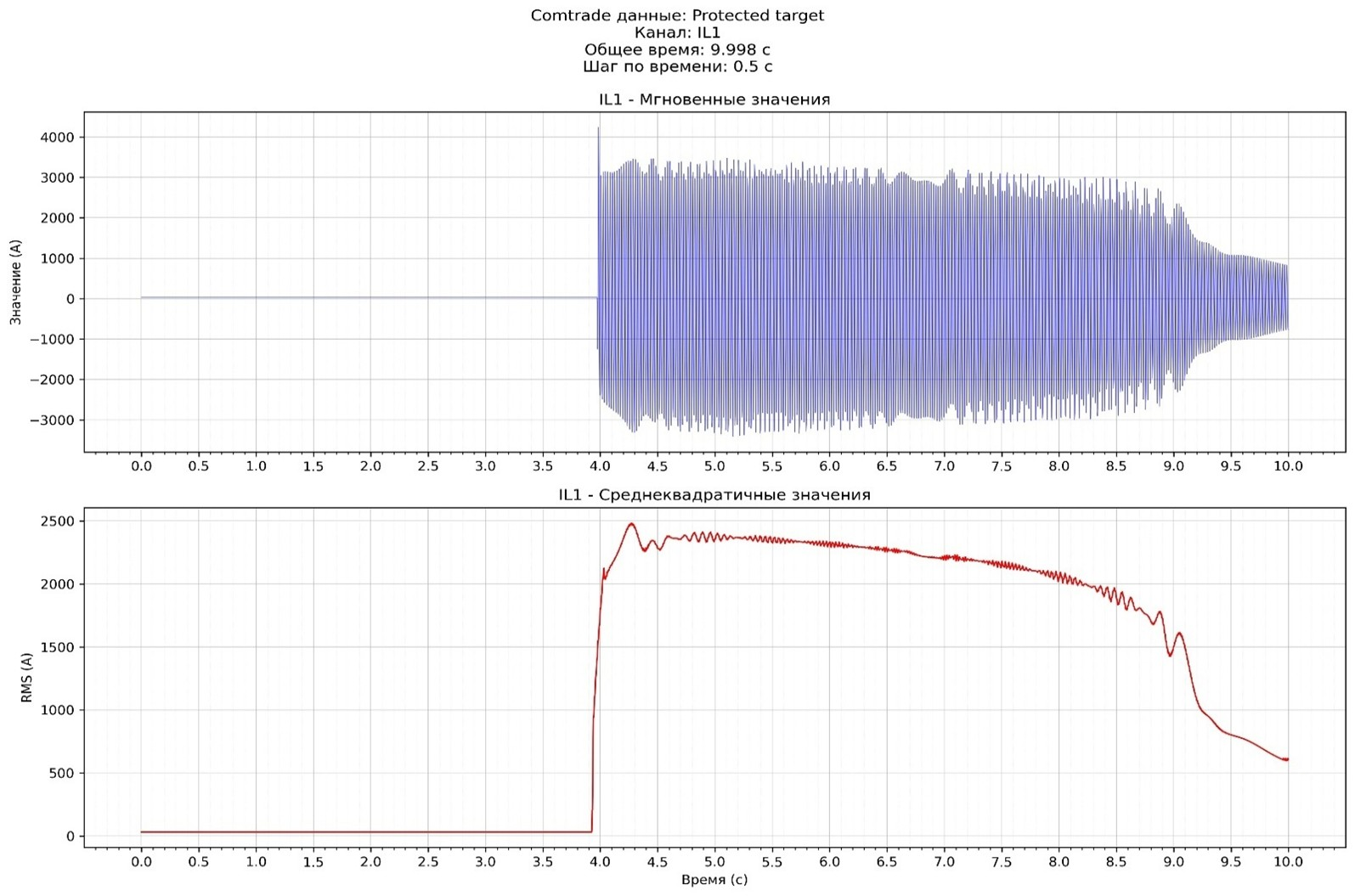
- validation of the largest synchronous motor starting characteristics using oscillograms recorded on site
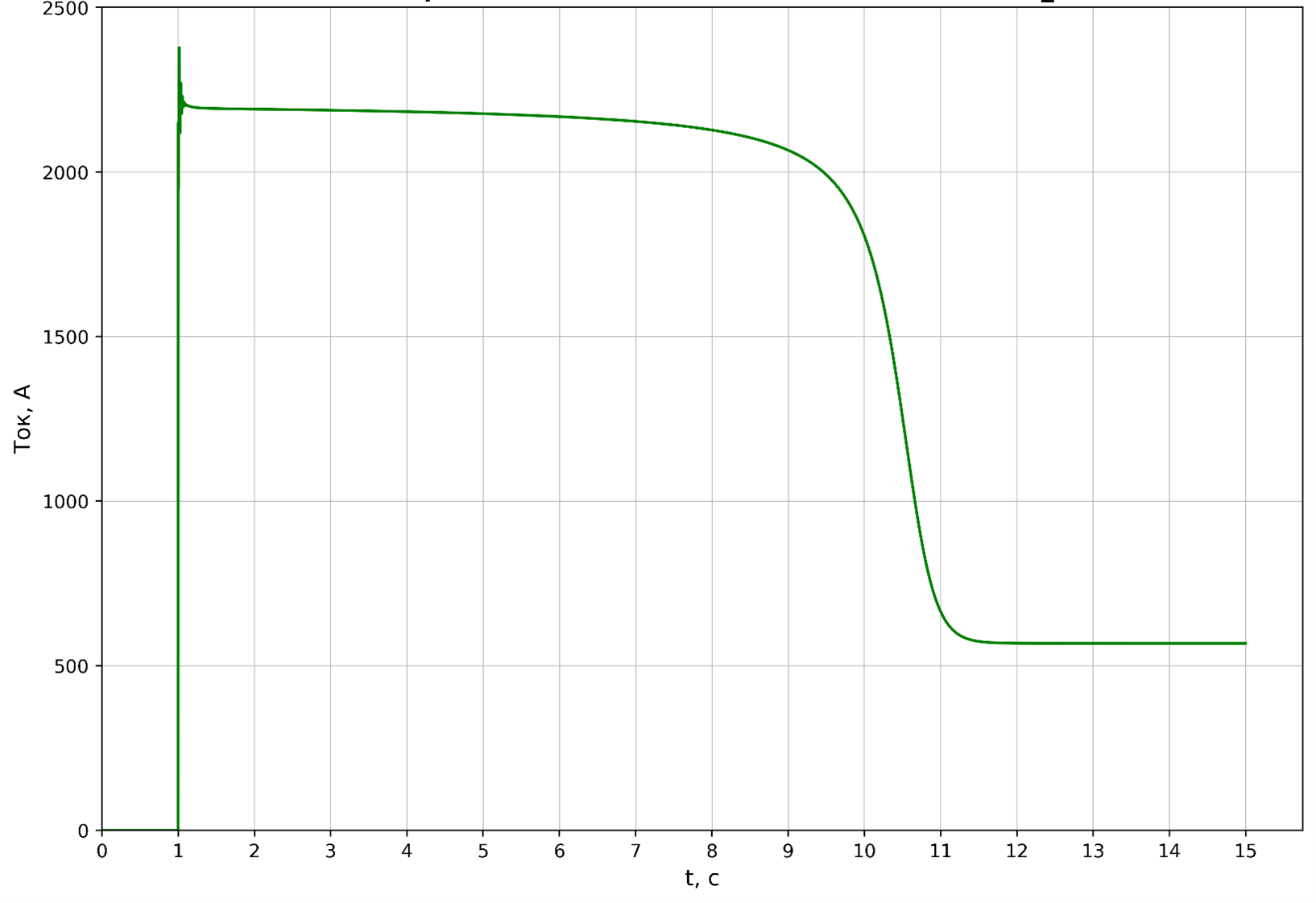
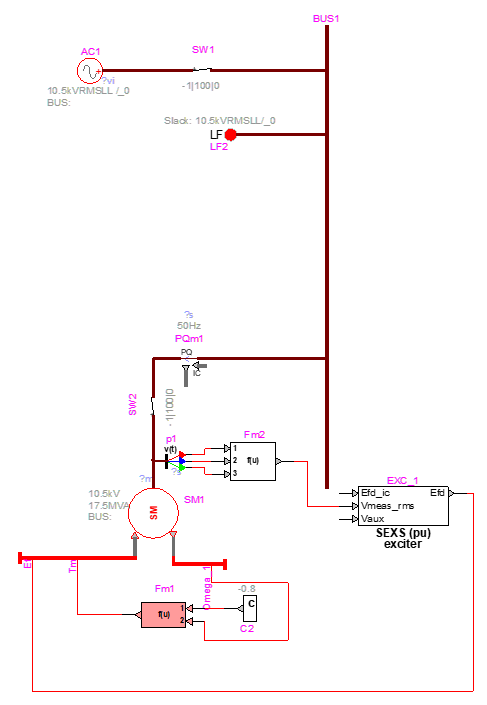
- detailed modeling of the synchronous motor excitation system in specialized simulation software
Results
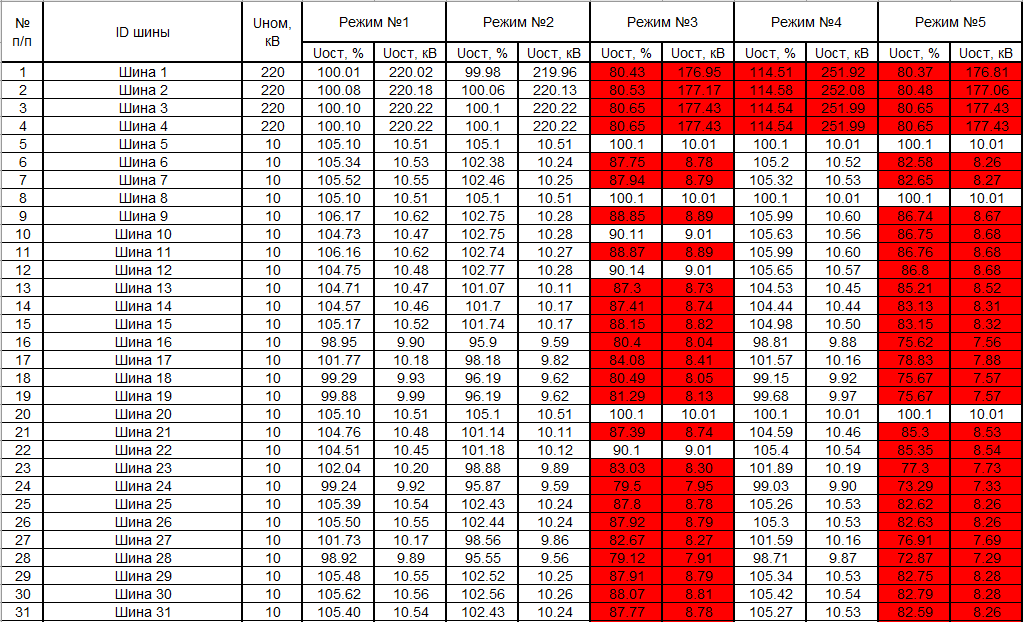
- load flow analysis results including voltage levels at all network nodes, presented in tabular form with highlighted deviations
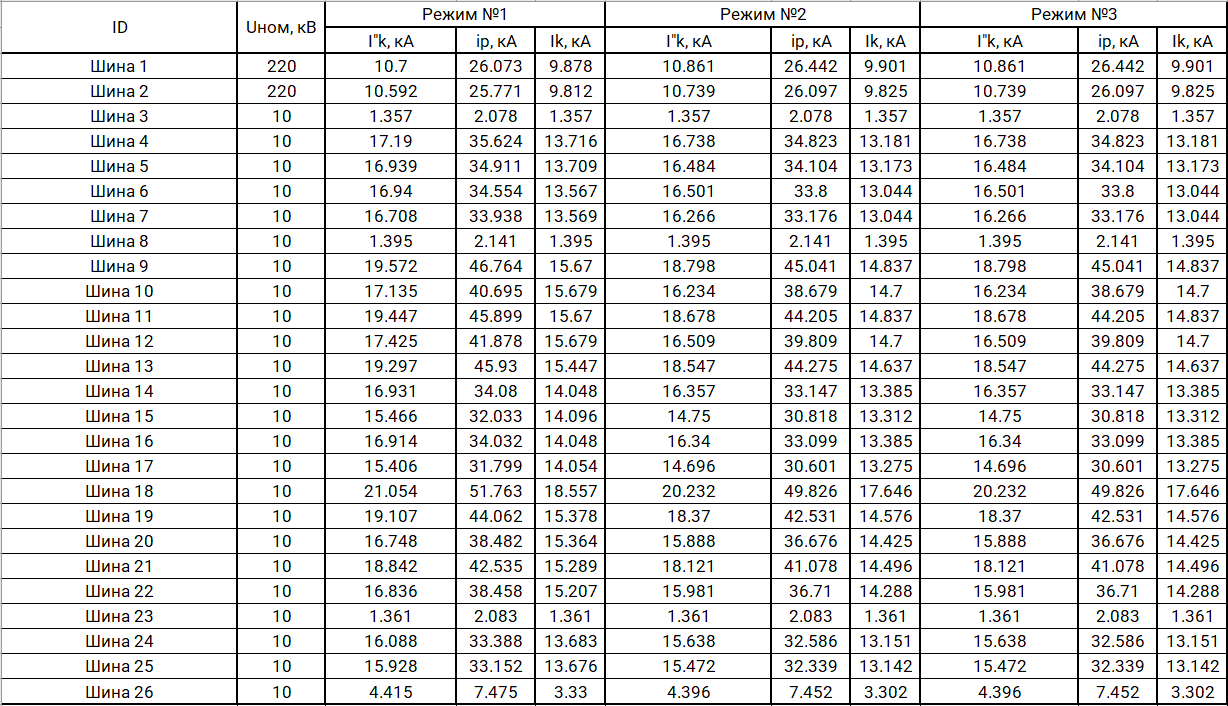
- short-circuit analysis results including symmetrical and asymmetrical fault currents at all nodes
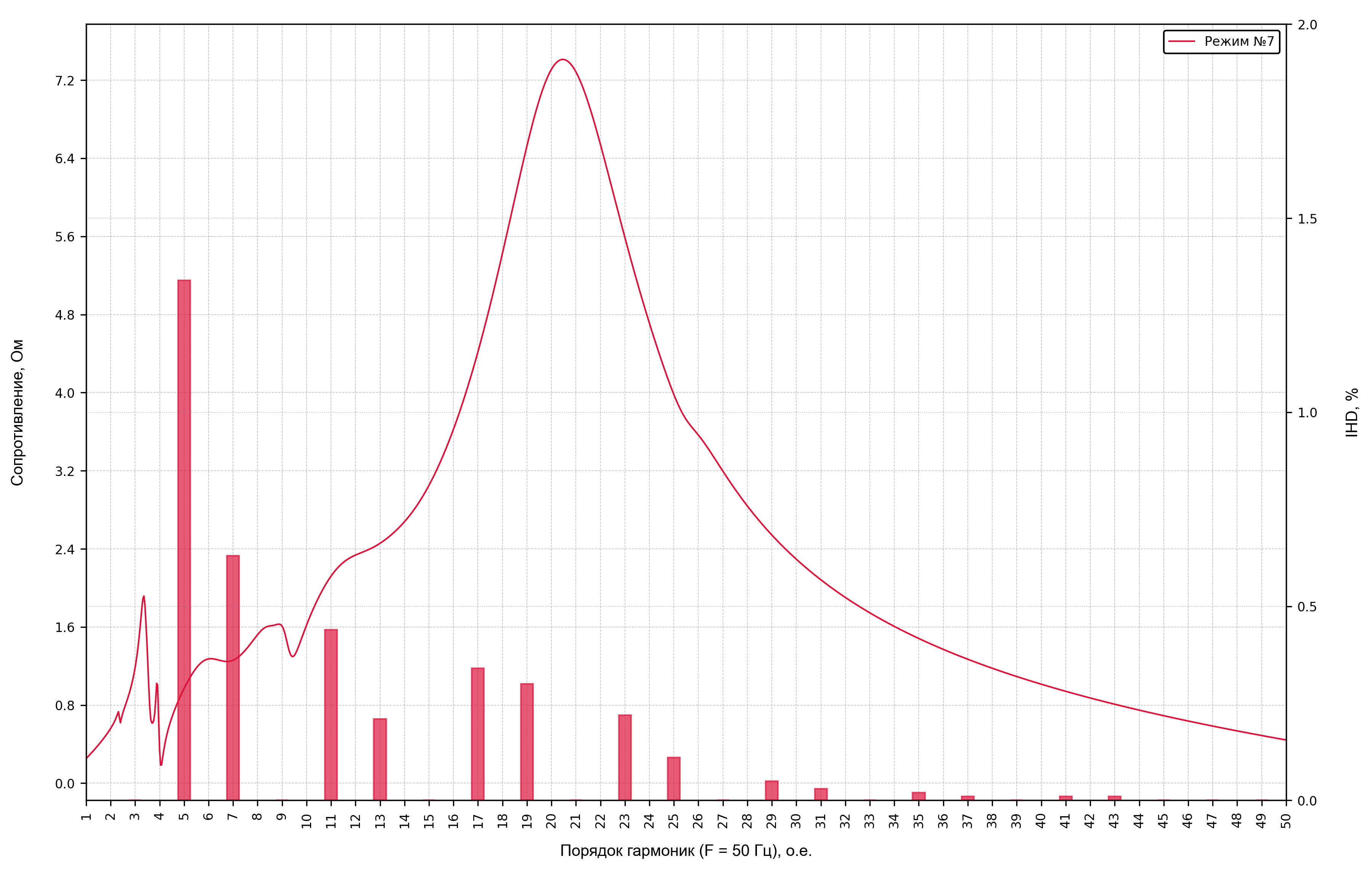
- harmonic and resonance analysis results including tabulated values and frequency response plots with harmonic spectra
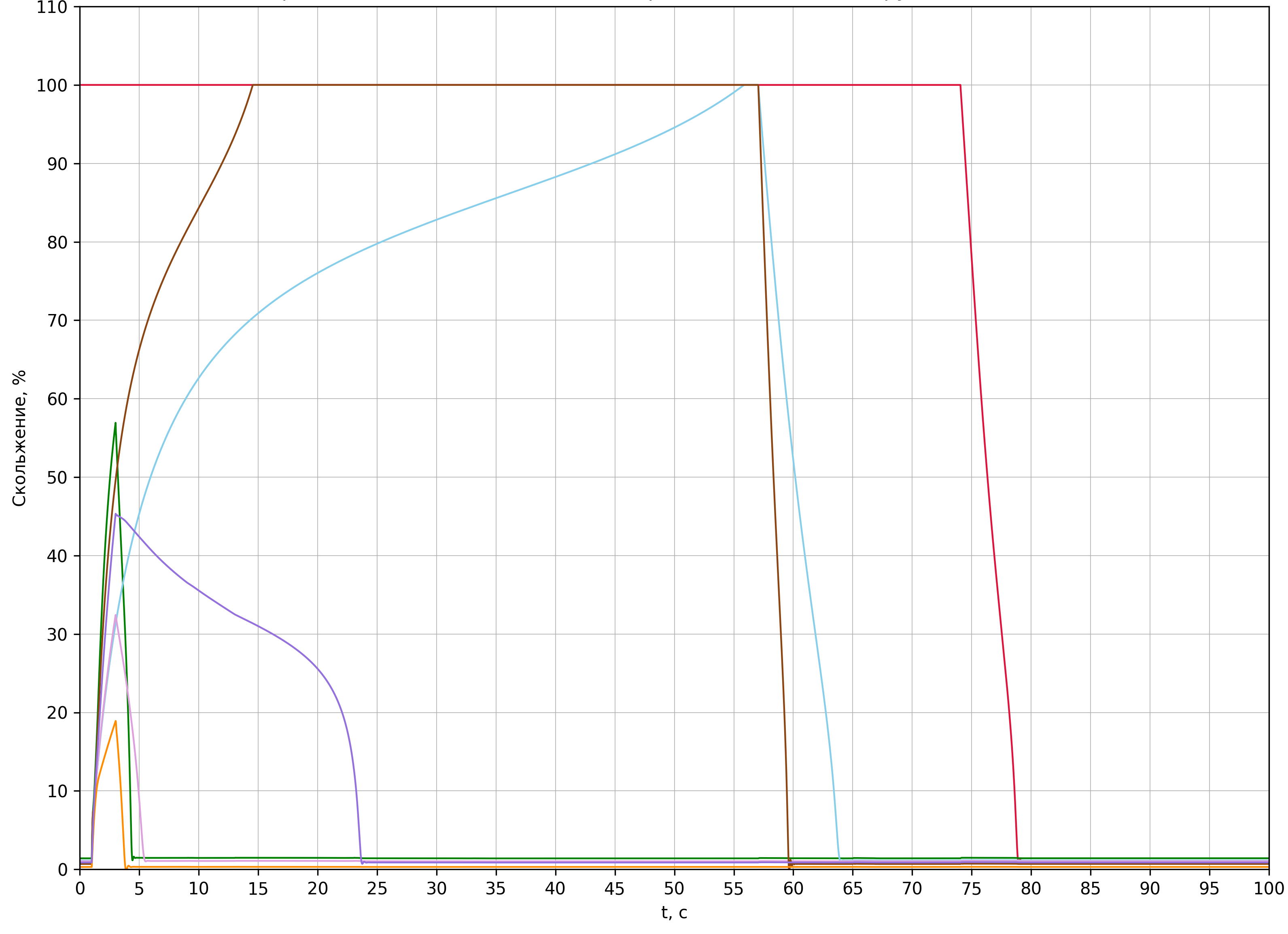
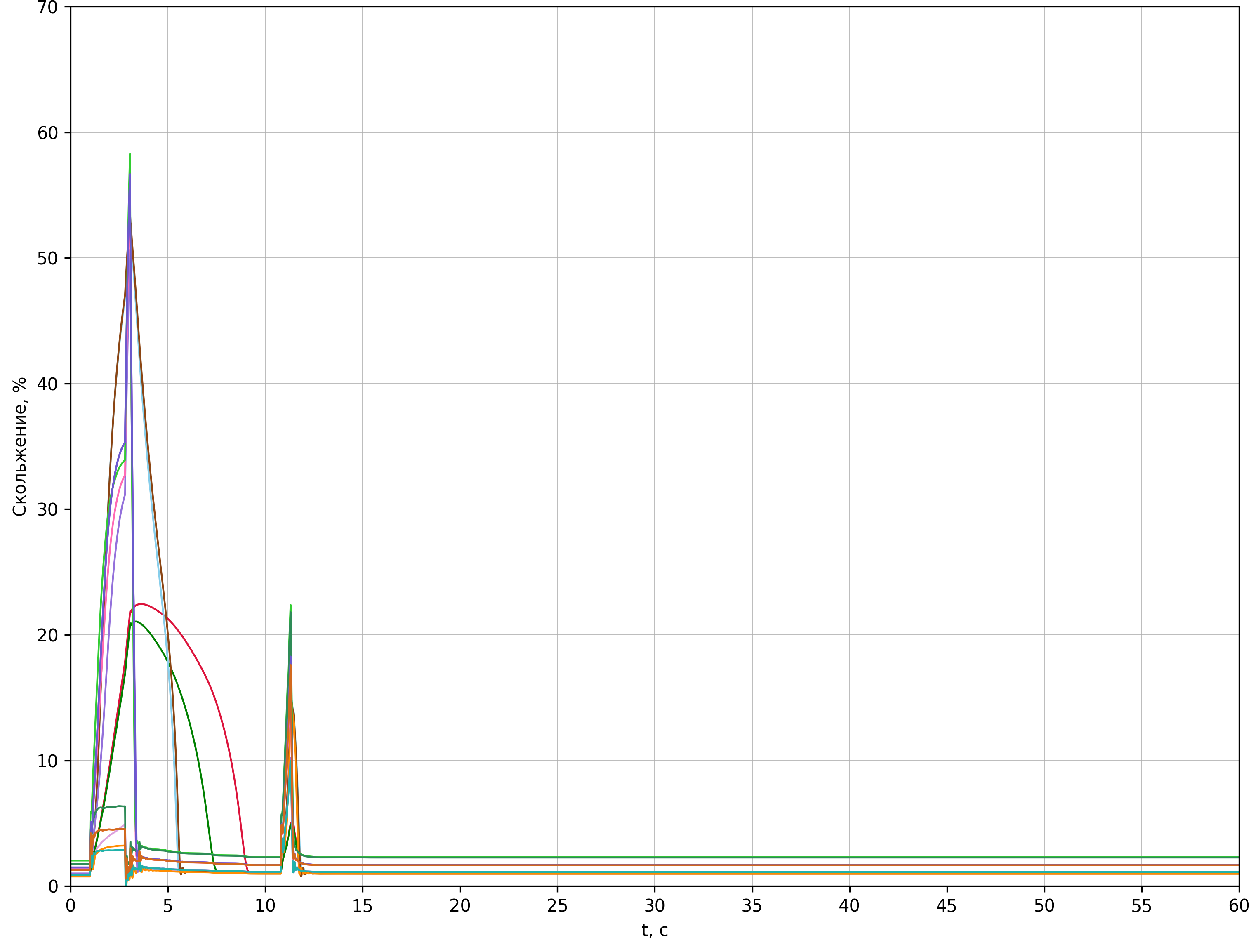
- motor starting and reacceleration studies including performance curves (e.g., slip) for all analyzed motors
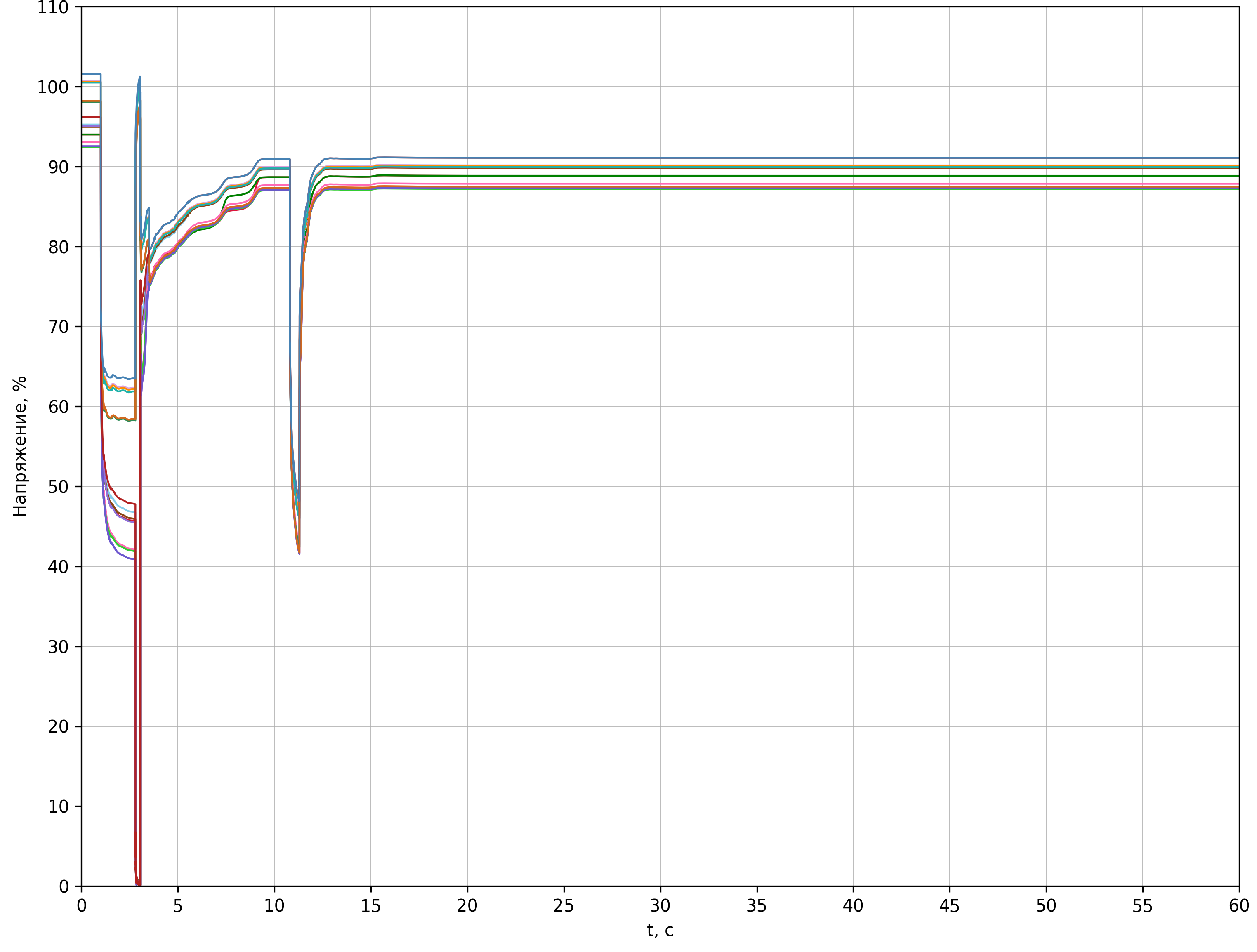
- transient stability analysis including time-domain plots of key parameters such as voltage and slip
As a result, the client received:
- a validated digital power system model
- detailed engineering analysis and recommendations for each study
- identification of critical operating conditions and weakest network nodes
- a set of engineering measures with confirmed effectiveness through simulation